Medical Equipment Deinstallation Services
What we offer
Deinstall
Disconnecting and Disassembling
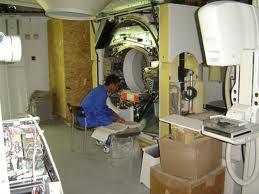
The physical deinstallation begins with disconnecting the equipment from power sources and other utilities. Some equipment may require partial disassembly to make it easier to transport. It’s important to follow the manufacturer’s guidelines to avoid damaging sensitive components. For larger equipment, professional assistance may be necessary to safely disassemble and move the pieces.
Remove
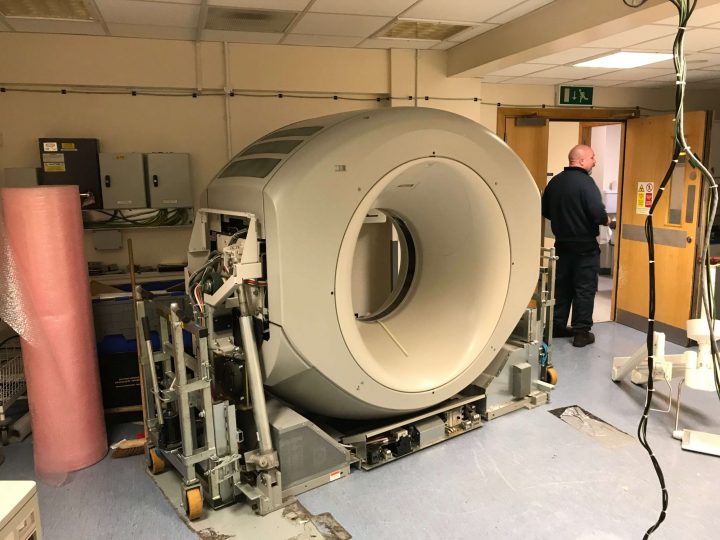
Specialize in the safe, regulatory-compliant disposal,removal, rigging , transport, and decommissioning of biomedical devices, imaging equipment, Labaratory Equipment and Computers.
Decommissioning Done Right
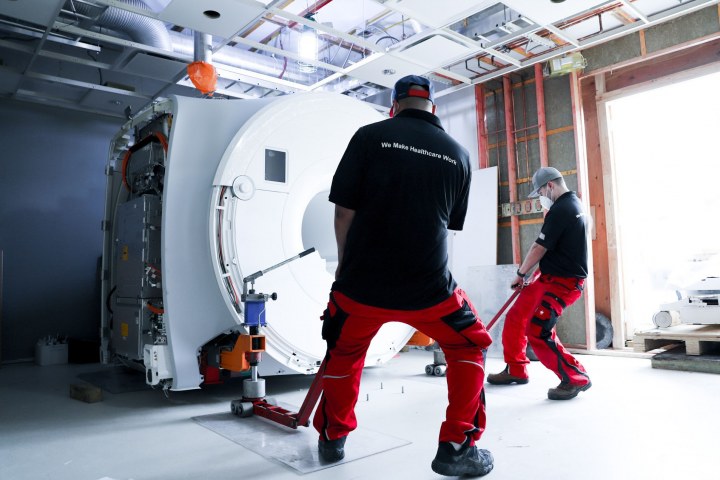
Expert removal of electrical and mechanical systems. Compliant, fast, and handled by professionals who understand critical infrastructure.
Liquidate
Help with selling, recycling, or disposing of surplus, used, or outdated hospital and clinic equipment (e.g., imaging machines, patient monitors) to recover financial value and free up space. These specialized services manage the entire process, including valuation, deinstallation, removal, and sales through auctions or direct buyers, ensuring regulatory compliance and sustainable disposal.
Dispose
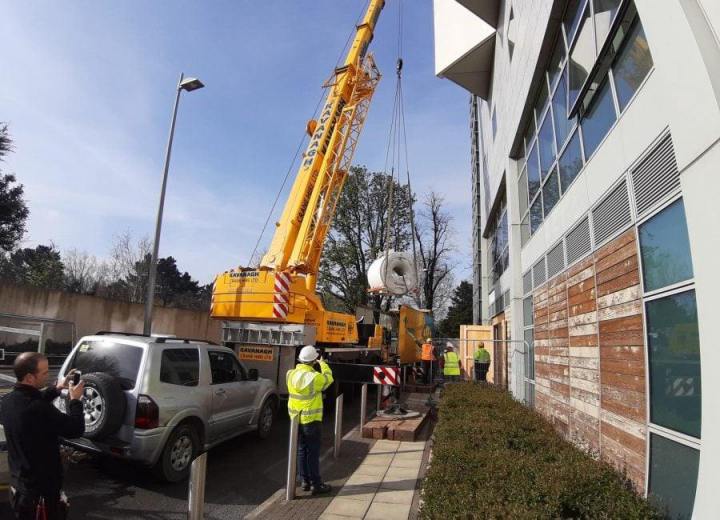
securely remove, transport, and dispose of or recycle used, obsolete, or broken healthcare devices in compliance with health, environmental, and data privacy regulations (HIPAA, OSHA). These services handle diverse items—from imaging systems and hospital beds to small electronics—ensuring biohazardous material is sanitized and sensitive data is destroyed
We will help to decide
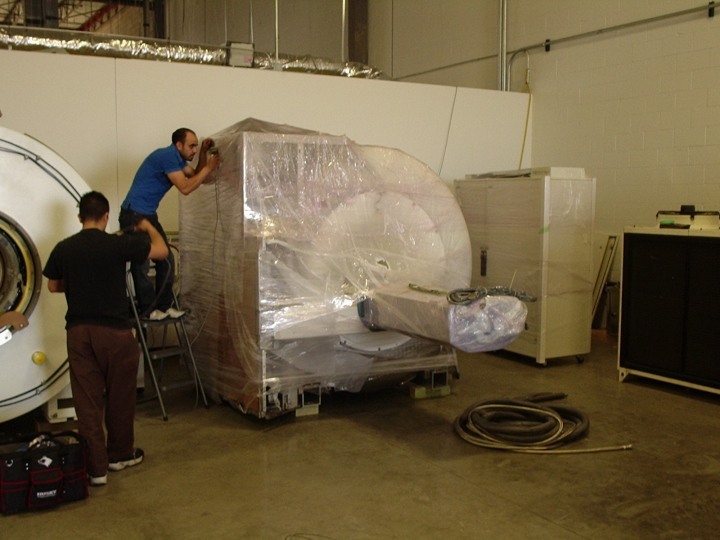
Deciding between medical equipment disposal and liquidation depends on the asset's age, condition, market demand, and your,timeline. Liquidation is generally preferred for functional or repairable assets to maximize returns, while proper disposal is required for contaminated or end-of-life equipment to ensure compliance with HIPAA, HITECH, and FDA regulations.
We will guide to help you decide on the best path for your equipment, utilizing insights from our industry specialists.
We know the way
Evaluate the Equipment and Key Factors
Timeframe: If you need space quickly, disposal is often faster, whereas liquidation may take time to find a buyer.
Logistics Costs: Moving old equipment is expensive. A liquidator may handle removal, lowering your logistics costs.
Storage Costs: Storing unusable equipment is inefficient. Promptly removing it frees up space for more profitable use
Why Choose us?
- We Can Take Care of It
- Hospital & Surgery Center Closeouts
- Facility Decommissions
- Doctor's Office Closeouts
- Asset and Facility Inventories
- Asset Value Quotes
- Account Managers handle and coordinate your removals and disposals
- We handle the removal of all types of medical equipment
- 100% Asset Disposal Management
- Attention to Detail during Facility Cleanouts
- Focused on Quality, Value-Added Medical Equipment Services
- MRI Ramp Down Services
- Project Management
- Project Coordination
- Transportation
- Rigging
- HIPPA Complaint Data Destruction
- Work with your Schedule